

 Pattern 01
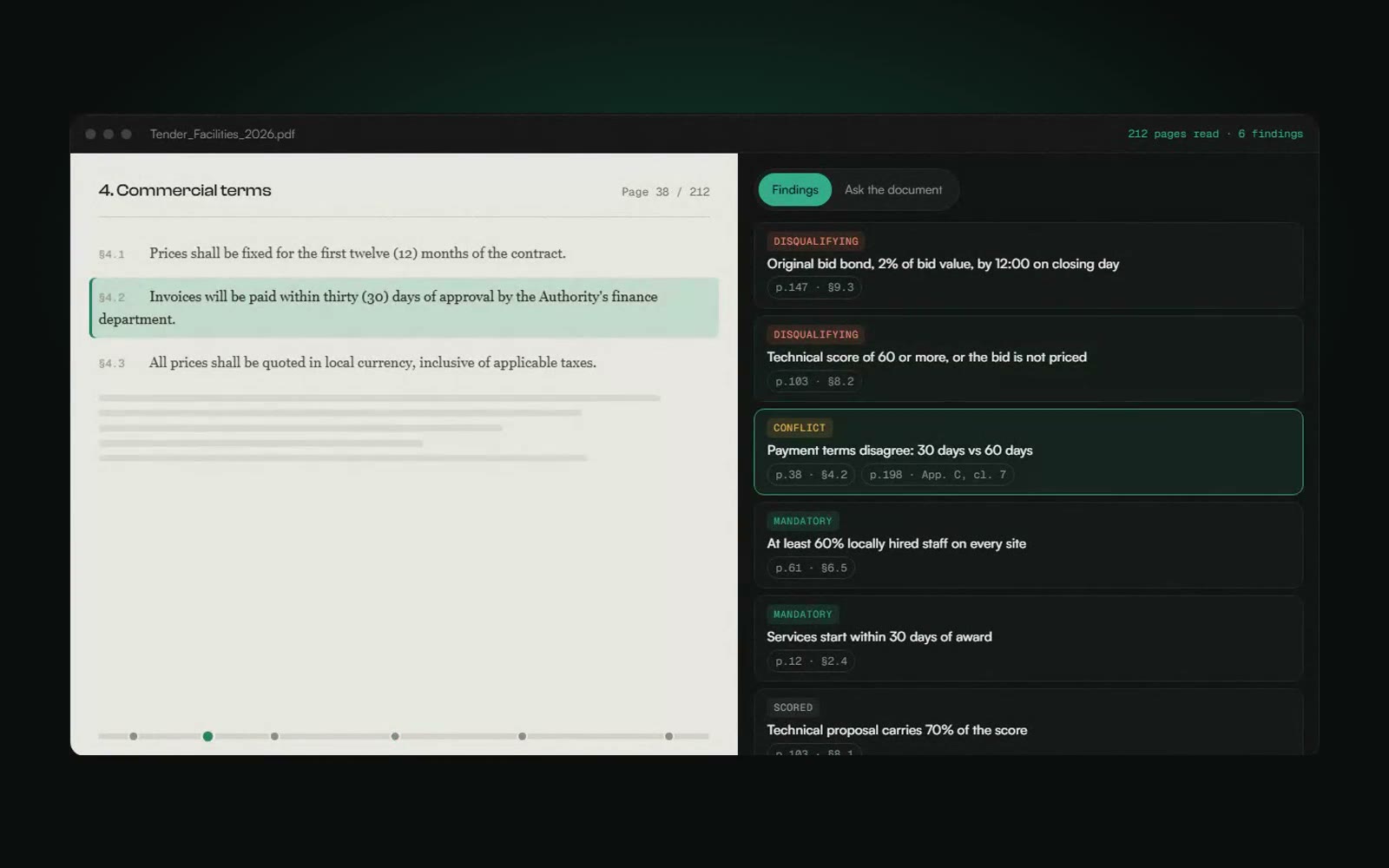
Every answer cites its source
Problem. Teams will not act on an AI answer they cannot check.
Pattern. Each finding links to the exact page and line, one click away.
Inspiration · 13 patterns
Small product decisions decide whether people use an AI product or work around it. These are the ones we keep coming back to, each taken from something we shipped. Open any to see it working.
Pattern 01Problem. Teams will not act on an AI answer they cannot check.
Pattern. Each finding links to the exact page and line, one click away.
Pattern 02Problem. Models would rather guess than admit they don't know.
Pattern. An explicit, honest answer for questions the source does not cover.
 Pattern 03
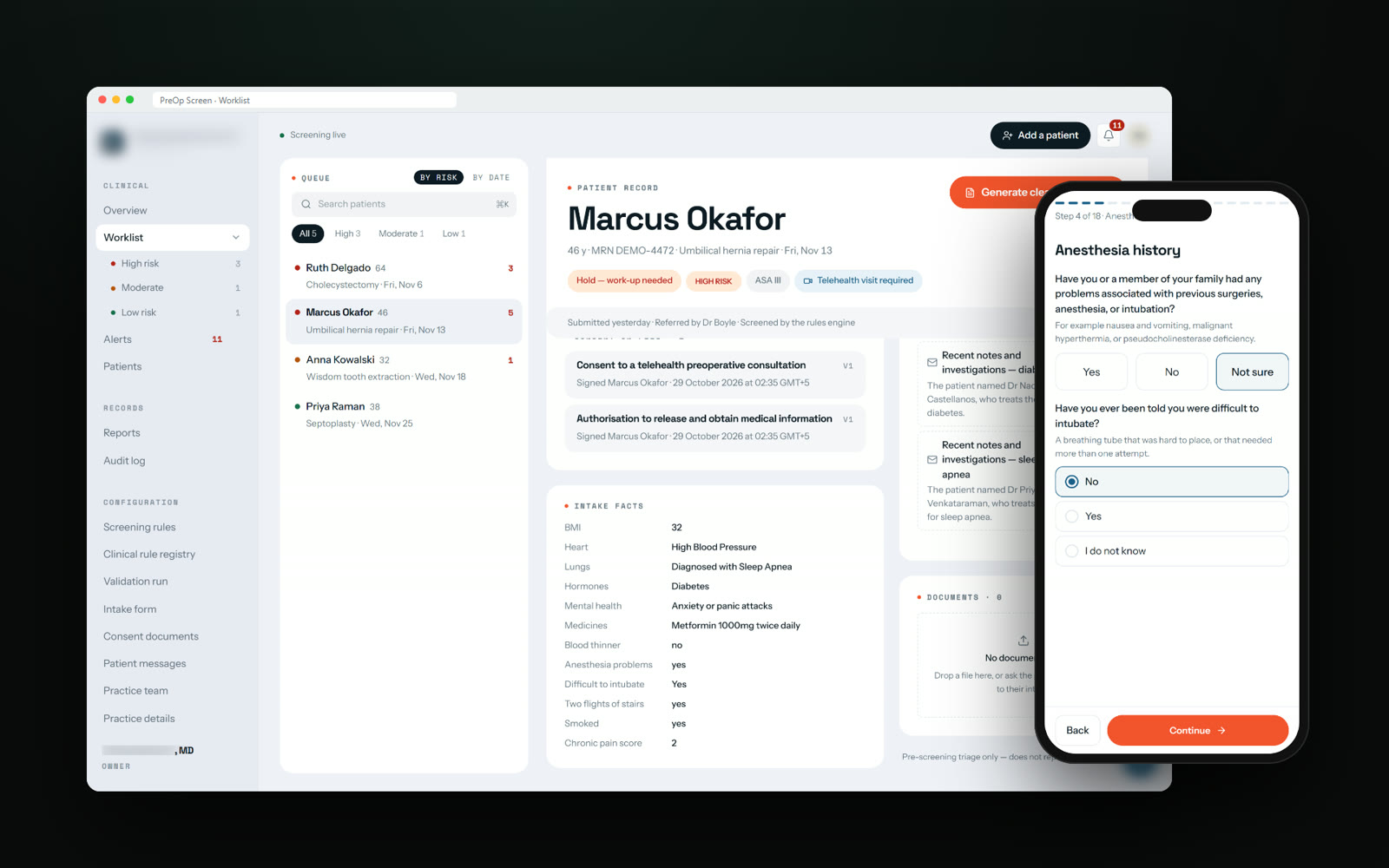
Problem. Medical and legal outputs must be exactly what a person approved.
Pattern. Drafts stay drafts until signed. After signing, nothing changes.
Pattern 04Problem. Forced yes-or-no questions turn doubt into a quiet No.
Pattern. A third answer that becomes a follow-up task for the team.
Pattern 05Problem. Safety that depends on a model is hard to defend.
Pattern. Critical checks are the expert's own rules. AI only helps with wording.
 Pattern 06
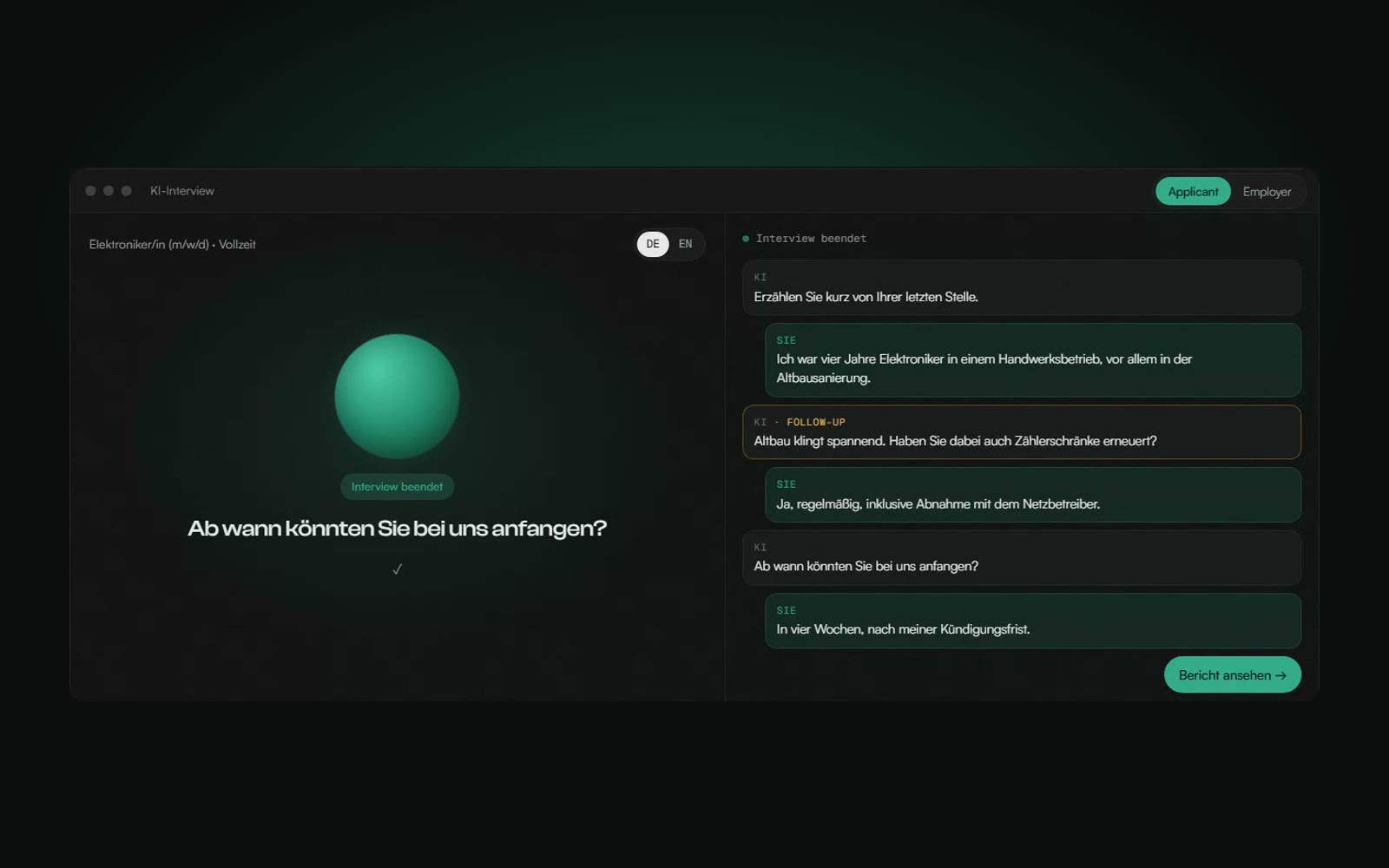
Problem. A bare score can only be trusted, never checked.
Pattern. Every score comes with its reason in one line and the evidence behind it.
 Pattern 07
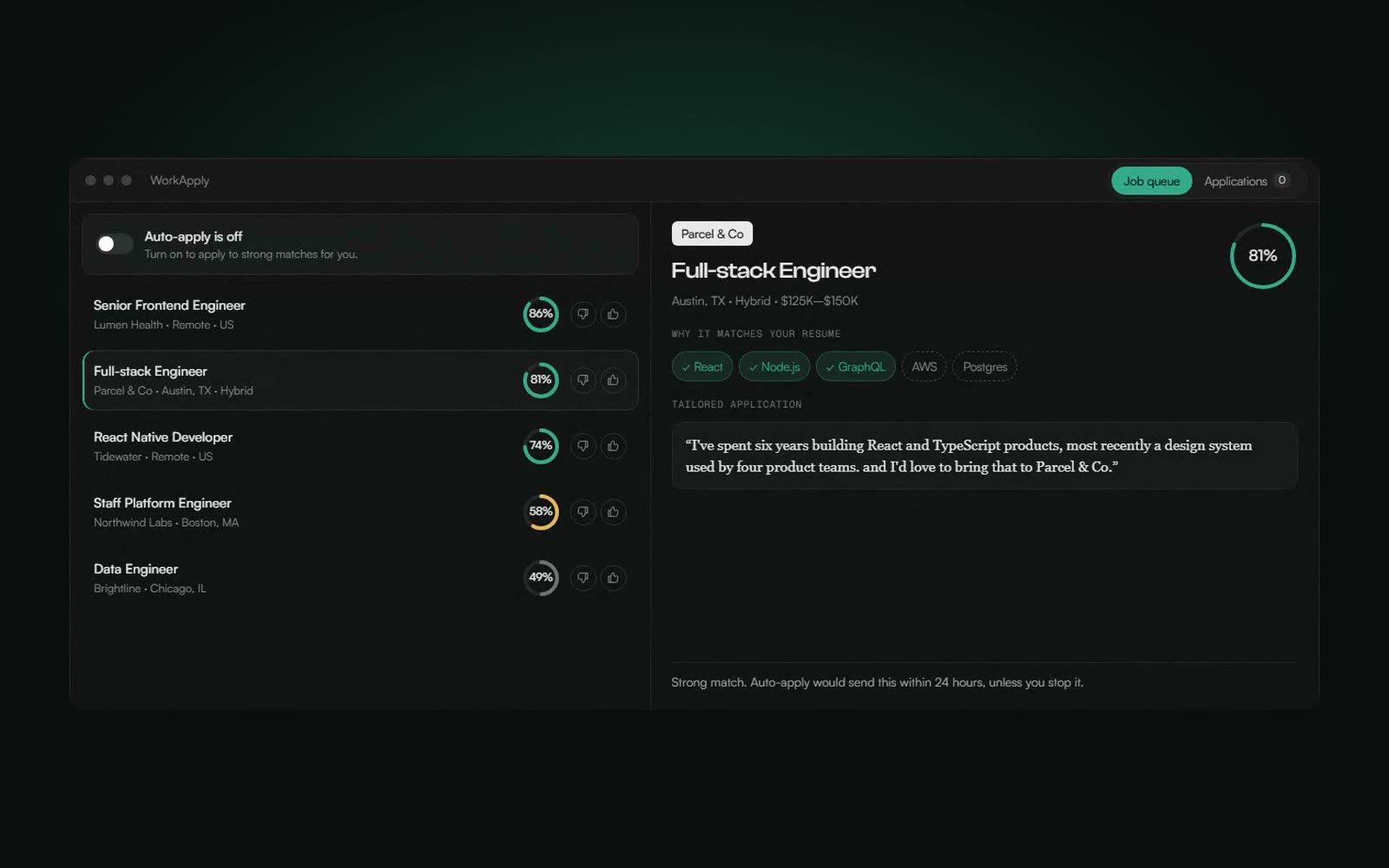
Problem. Automation that acts in your name must never surprise you.
Pattern. Actions queue for 24 hours, and any one can be stopped before it goes.
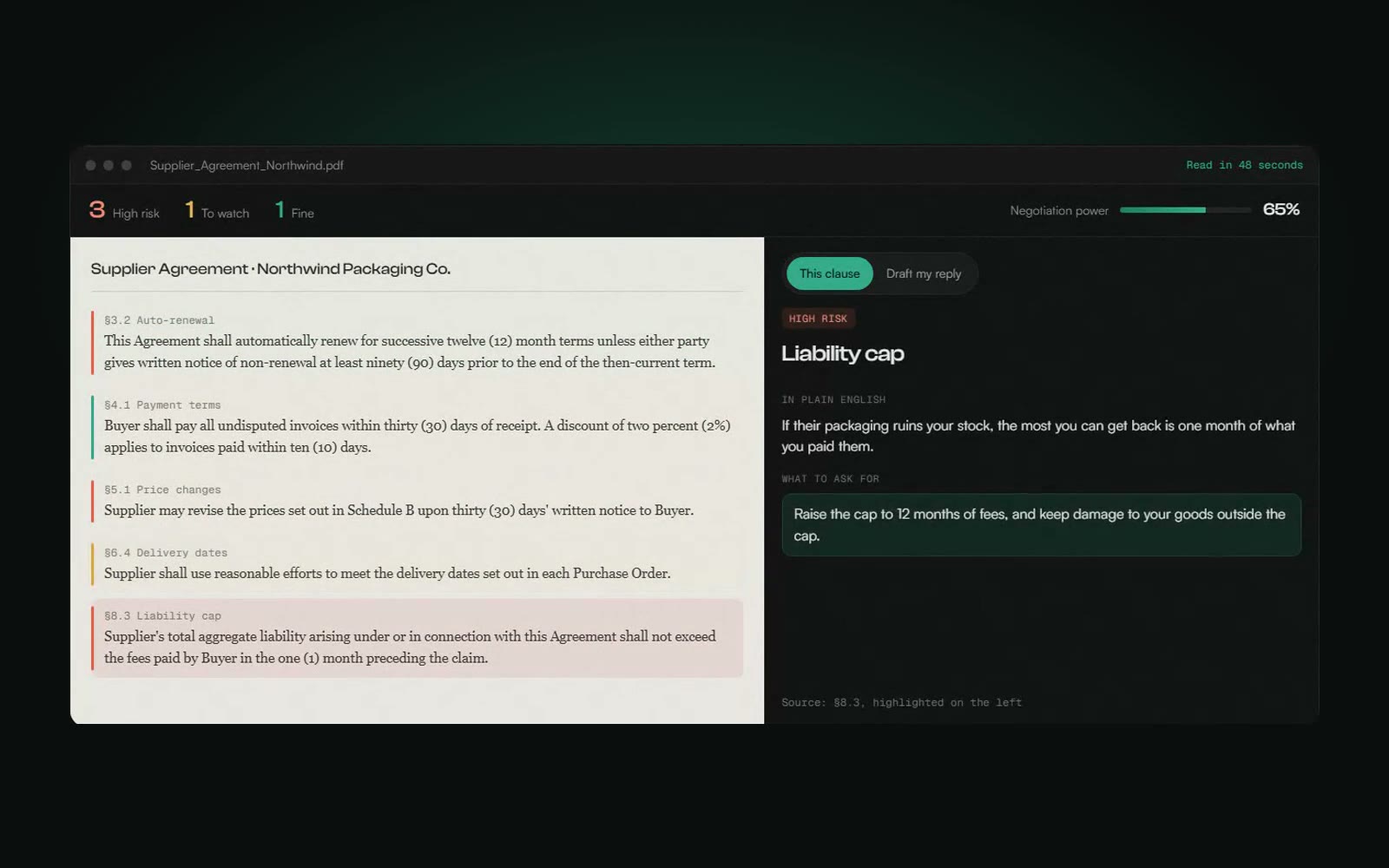 Pattern 08
Problem. Everyone remembers the renewal date, not the last day to cancel.
Pattern. Pull both dates out and set reminders before the real deadline.
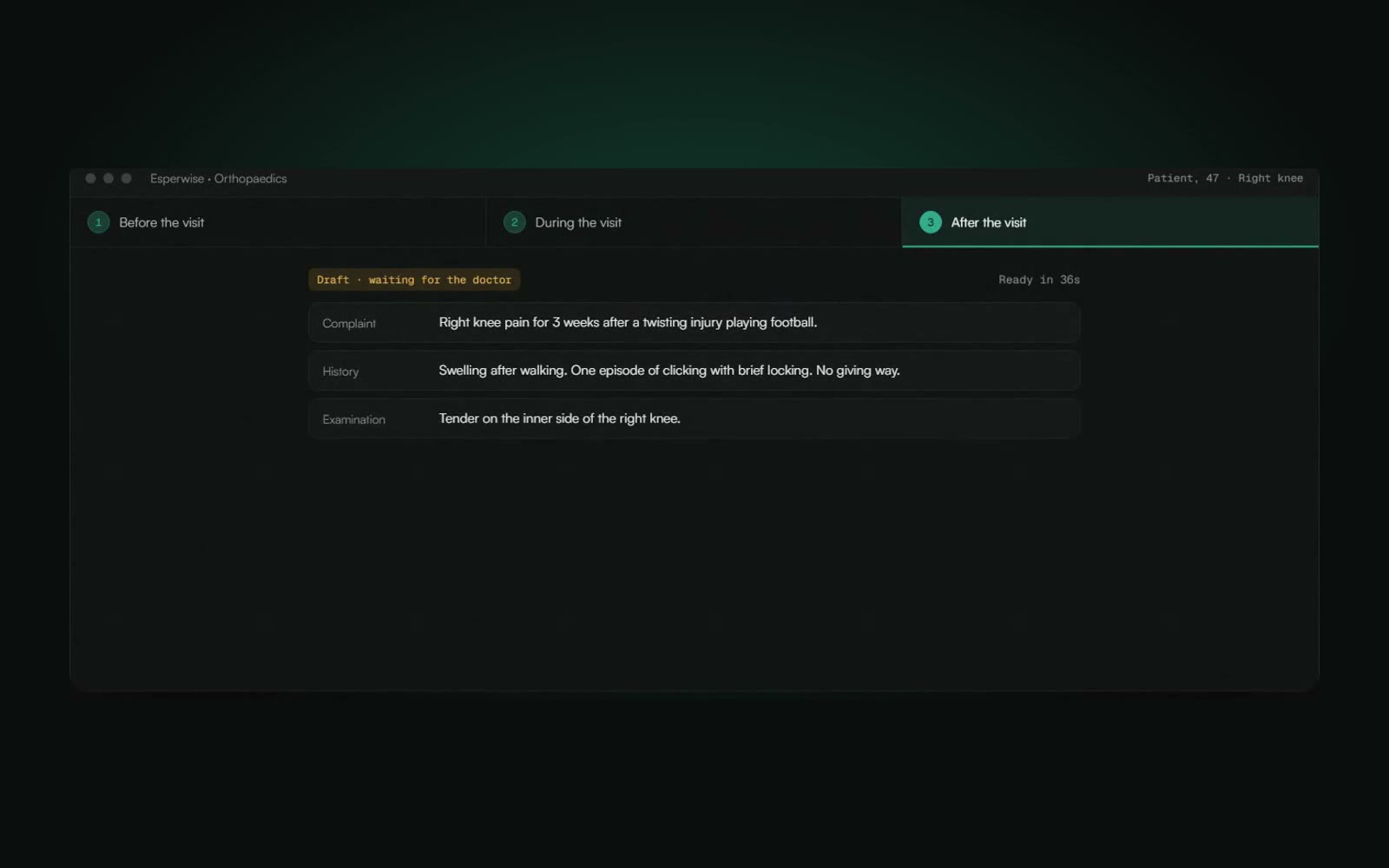 Pattern 09
Problem. Generic AI drafts get rewritten, and the time saved is lost.
Pattern. Each user's assistant learns from their own examples.
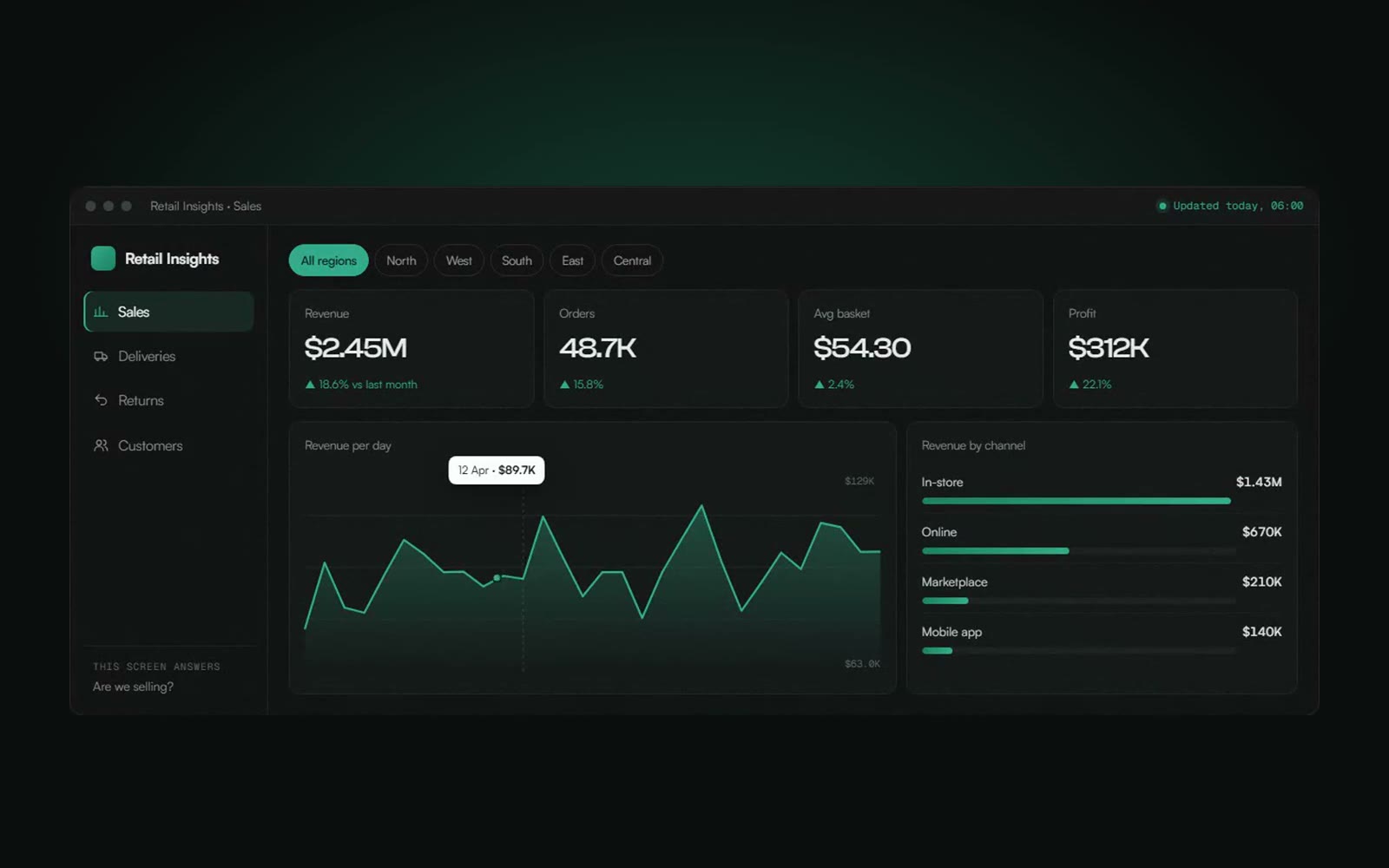 Pattern 10
Problem. The biggest customer is not always the most profitable one.
Pattern. Put costs next to revenue, then let people flip the ranking.
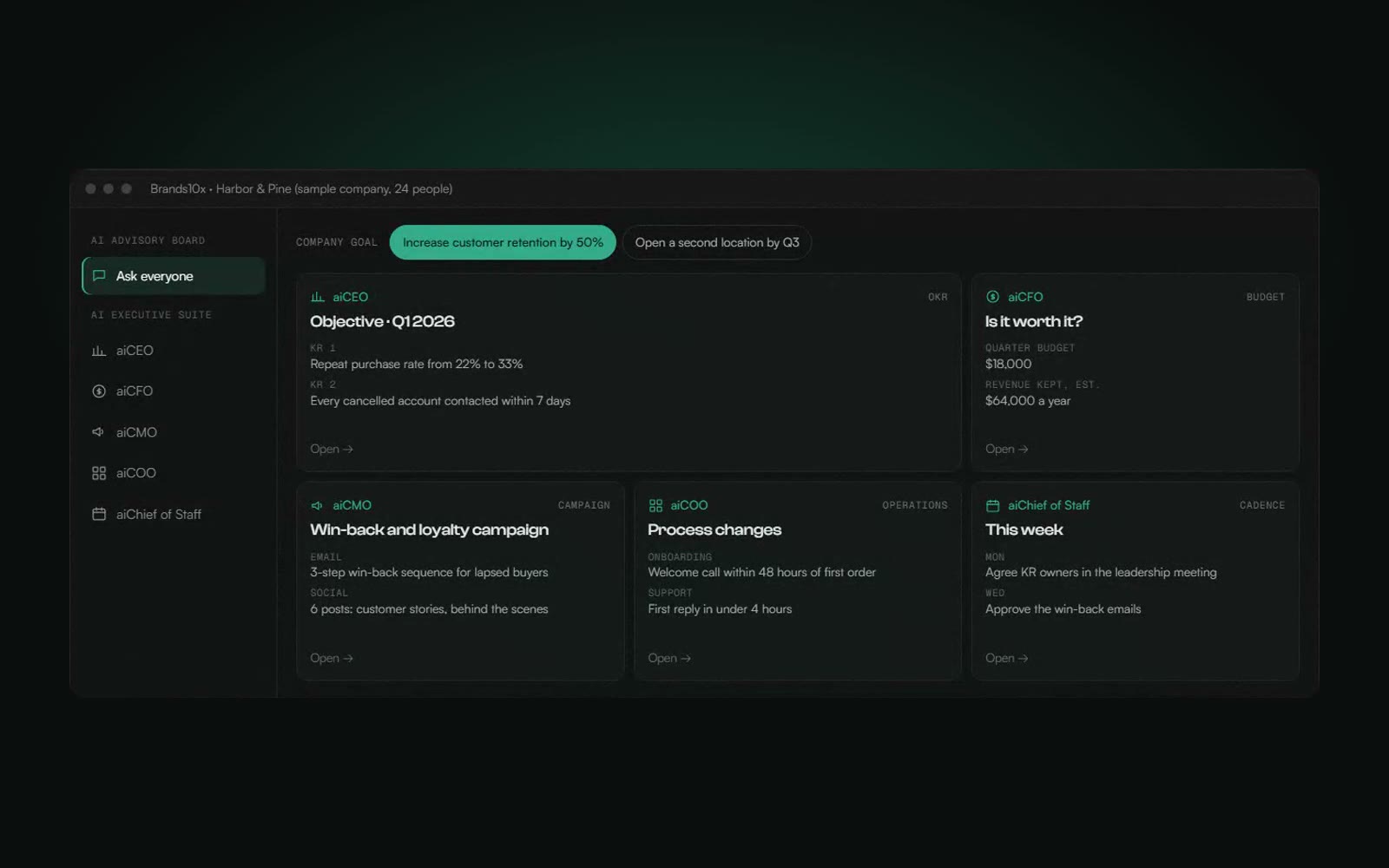 Pattern 11
Problem. Agents that act alone lose the owner's trust on the first mistake.
Pattern. Every plan arrives as a draft waiting for approval.
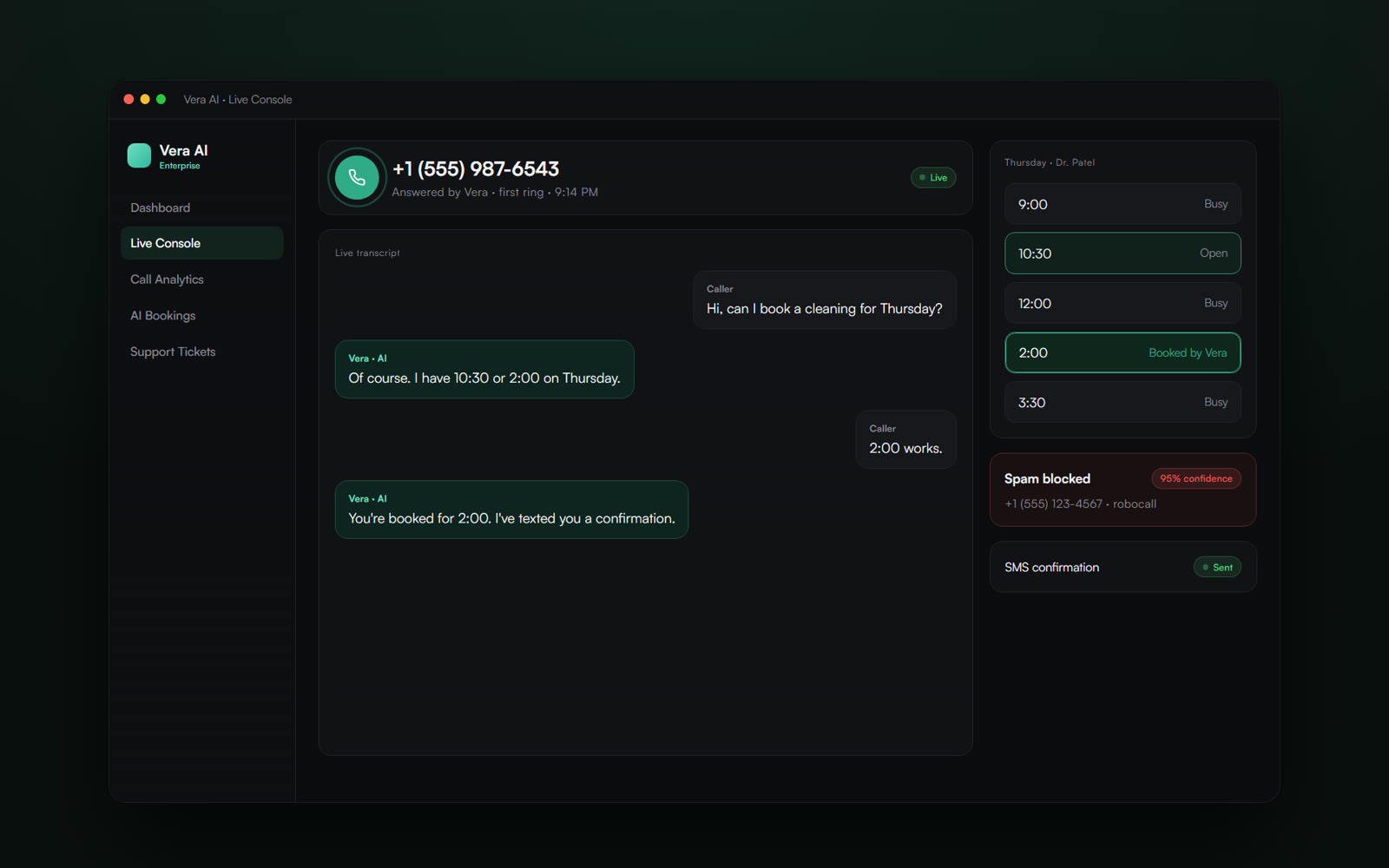 Pattern 12
Problem. Per-minute platforms and single vendors lock the business in.
Pattern. The same agent runs on two realtime providers. Switching is a setting.
Pattern 13Problem. Local brands carry trust that a national brand would throw away.
Pattern. Each portal keeps its name and colours. The product underneath is shared.
A repeatable product decision that solves a common problem with AI, such as showing the source of every answer so people can check it in seconds.
Yes. Each pattern links to the case study where it runs, and most case studies have an interactive demo.
Usually the human check: deciding where a person approves, signs or can cancel. Our human-in-the-loop guide goes deeper.